

image-id="9ZeSdvRF" alt="">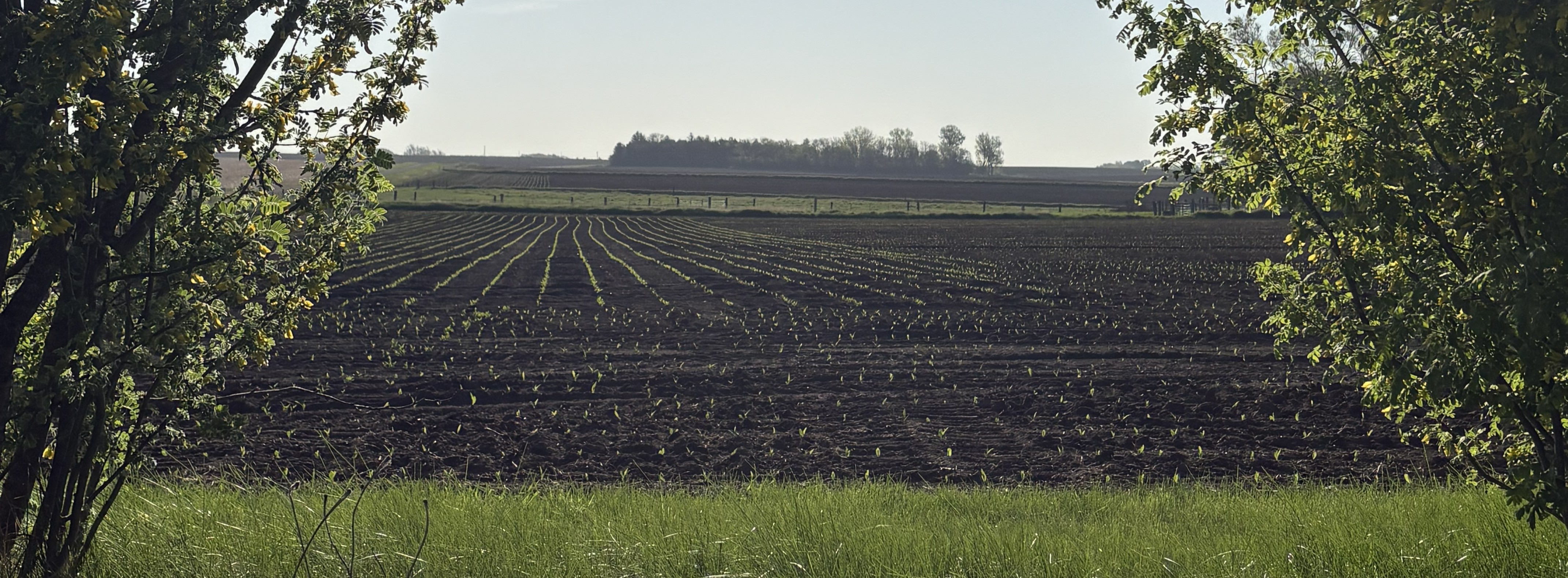
From the desk of Jason Long, Director of Agri-Business Banking
As we enter a new season, this brings new opportunities across agriculture, from acres being planted to calves being born. Spring and summer also bring a welcome change in weather, and we can be thankful for favorable conditions experienced so far. As renewal season winds down, the team at First Bank & Trust has been hard at work helping our valued customers plan and prepare for the year ahead. We wish you continued success in the months to come.
Every operation is unique, and the economic perspectives impacting agriculture vary by operational type. The grain sector continues to face pressure from higher production costs, resulting in tighter profitability margins. Meanwhile, the livestock sector is experiencing strong pricing that is creating profitable opportunities for many producers. Beyond market conditions, operational and financial management decisions remain critical drivers of success. Factors such as yields, efficiencies, commodity marketing strategies, working capital retention, and overall debt levels all play key roles in long-term profitability.
Community Connections
Our Ag team will be out and about over the coming months. Stop by the events below to connect with a First Bank & Trust agri-business banker.
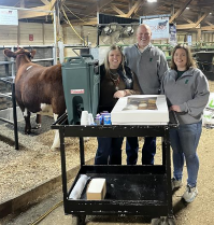
Beef Month | May
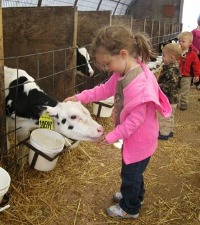
Dairy Month | June
SD Cattlemen’s Prime Time Gala
June 20
Denny Sanford PREMIER Center Sioux Falls, SD
Governor’s Ag Summit
June 25–26
Larkspur Landing Event Center Pierre, SD
Macroeconomics Outlook
Over the past year, the U.S. Dollar Index has shown signs of weakening, which is typically favorable for agricultural commodities by improving global competitiveness. However, the impact is nuanced. Many agricultural exports are directed toward China and Mexico, which are not heavily weighted in the index compared to currencies such as the yen, euro, and pound. Additionally, other global currencies are also weakening, which can limit the overall benefit. Geopolitical tensions, including conflict in Iran, may further offset gains as the U.S. dollar often strengthens as a safe-haven currency during periods of global unrest.
Global supply levels also remain an important consideration. WASDE reports continue to indicate a surplus of grain both domestically and abroad, making demand generation a key challenge. Supply and demand fundamentals are likely to be the primary driver of commodity prices in the near term. Large carryout inventories suggest that significant adverse weather events in North or South America would be needed to rebalance current supply levels. This underscores the importance of strengthening demand through biofuels, feed consumption, and competitive trade policy.
Interest rates have shown some stabilization as inflation volatility has eased, though current levels remain above the Federal Reserve’s long-term target of 2.0%. Resilient labor markets, fiscal deficits, tariffs, and political pressures will continue to influence the interest rate environment. While short-term variable rates may see modest relief, longer-term rates are less likely to experience meaningful declines. This environment favors operations focused on strengthening balance sheets, maintaining higher working capital levels, and pursuing strategic investments rather than relying on debt-driven growth.
🌾Did You Know?
Agricultural businesses are often targeted for payment fraud due to seasonal cash‑flow spikes, high‑dollar vendor payments, and frequent payee changes during planting and harvest. Fraud‑prevention tools like Positive Pay add an extra layer of protection by helping identify unauthorized transactions before they impact your operation.
Talk with your First Bank & Trust agri‑business banker to learn how Positive Pay can support your operation.
Corn🌽
The USDA is projecting 95.3 million acres of corn to be planted in 2026. While this represents a reduction of nearly 3.5 million acres from 2025, it is still over 1 million acres higher than the February projection. Corn prices have recently strengthened, driven in part by geopolitical tensions involving Iran. As with most years, final planted acreage may vary depending on weather conditions, input costs, and input availability.
If production costs continue to rise, some operations may choose to plant soybeans as a way to manage expenses. However, operations that have already secured input pricing are more likely to stick with their intended crop rotation plans.
From a trade perspective, there is some favorable news. Export commitments have been exceptionally strong through the first quarter of 2026, with more than 2.75 billion bushels marketed. This is encouraging given ongoing domestic oversupply concerns. Execution and follow-through on these commitments will be key in determining the realized benefit.
Soybeans🌱
Both domestic and global soybean acreage is expected to increase, resulting in supply continuing to outpace demand. U.S. acreage is projected at 84.7 million acres, an increase of more than 3 million acres year over year. China’s shift toward South American trading partners remains a significant concern for U.S. exports.
Demand for soybean oil and soymeal is expected to support higher crush levels, and growing clarity around domestic biofuel legislation is a positive development, though its impact may be more meaningful over the longer term. The anticipated meeting between Trump and Xi Jinping in May will be closely watched, as headline developments could add volatility to the market.
China’s increased purchases of Canadian canola may further limit soybean demand, while Brazil continues to be the strongest competitor in global markets, dampening U.S. export potential. Recent rallies tied to the Iranian conflict have pushed commodities higher, though sustainability remains uncertain.
Beef🥩
Cattle markets continue to remain elevated due to historically low supplies. Placements are declining, herd growth has been minimal, and these dynamics point toward the potential for additional price strength in the months ahead. Factors that could limit or pressure prices include increased imports tied to border policy and reduced slaughter capacity at packing plants.
Boxed beef prices are trading at record levels year over year, while reductions in slaughter capacity and shackle space have helped stabilize packer margins. On the demand side, per capita beef spending has remained impressively strong despite inflation concerns.
Rising fuel costs related to the Middle East conflict and protein affordability, particularly compared to pork and poultry, will continue to test demand. While slaughter reductions may be partially offset by heavier dressed weights, historically low supplies and strong consumer preference continue to provide price support. Producers are encouraged to utilize prudent pricing and marketing tools to protect and maximize margins.
Dairy🥛
Milk production is weighing on prices, with early 2026 output up year over year and herd size increasing by more than 180,000 head. Improved demand for nonfat dry milk and whey has contributed to a recent price uptick, while butter and cheese prices remain lower than a year ago.
Growth in milk protein concentrate and high-protein yogurt has positively impacted dairy solids, which are also driving export growth. Dairy products may become a focal point in upcoming USMCA negotiations, making trade outcomes especially important for sustained price improvement.
Strong beef demand continues to support profitability in dairy cross calf markets, providing an additional revenue opportunity for dairy operations.
Pork🥓
Improved profitability in the pork sector has been supported by tighter cold storage supplies, strong exports, and lower feed costs. These conditions present an opportunity for producers to mitigate downside risk through responsible hedging strategies, especially given ongoing uncertainty around trade policy and supply fundamentals.
Soymeal prices are up approximately 10 percent year over year, though still below the five-year average. Cold storage inventories are down roughly 5 percent from last year and remain at their lowest levels since 1997. The USDA is forecasting a 3.1 percent yearly increase in pork exports for 2026.
Disease pressure remains an important risk to monitor. PRRS positivity rates are near 28 percent, and PED virus activity is approaching 15 percent, both above five-year averages. These factors could limit supply growth and create performance challenges.
From a consumer standpoint, pork remains an attractive protein option, with the retail price spread between beef and pork now at 1.91, compared to a historical average of 1.6 times, signaling strong affordability.
Protecting Your Farm’s Payments from Fraud
Running an agricultural operation means managing payments to vendors, suppliers, and employees—often during busy, high‑dollar seasons. Keeping those payments efficient and secure is essential.
Positive Pay helps protect your business from check and ACH fraud by reviewing payments before they clear your account. Issued checks are matched against your records, and unauthorized ACH transactions can be returned prior to posting—giving you greater control and peace of mind.
Early detection matters. Positive Pay allows you to validate payments as they process, helping reduce disruption and potential financial loss.
At First Bank & Trust, we’re committed to helping safeguard your operation. To learn more, connect with your agri‑business banker.
Looking Ahead Together
Our ag banking team continues to grow, and our professionals seek to help guide producers through ongoing volatility. Renewal season is nearly behind us, and our ag department has grown through new customer acquisitions and by helping our valued clients continue to grow their operations. We seek to develop strategic plans to help you accomplish your operational goals. This may include opportunities to enhance efficiency, expansion opportunities or helping usher in the next generation of decision makers. We are proud to partner with numerous producers that are dedicated to making a difference every day and we appreciate your hard work and commitment to the industry. We are stronger together and wish you the best as planters roll, calves are born and a new season unfolds.

Connect with us today!
At First Bank & Trust, our Ag Banking team is made up of local experts who know you and understand your farm operation. Give us a call at 800.843.1552 or connect directly with an ag banker in your area.