

image-id="9ZeSdvRF" alt="">
From the desk of Jason Long, Director of Agri-Business Banking
The summer heat is in full effect as the countryside is filled with growing crops, cattle grazing, and kids enjoying the remaining weeks of summer before a new school year begins. The U.S. celebrated 250 years, and we are thankful for all those who have served to defend our freedom. Late spring and summer have been filled with plenty of unpredictability. From conflict in the Middle East to weather conditions and market fundamentals, there appears to be a significant number of variables that factor into management decisions at the farm gate.
First Bank & Trust has been standing by producers for over a century, and our team brings a wealth of experience to every operation. As opportunities and challenges arise, we are ready to listen and help you plan for the future. Regardless of your operation type, one constant remains: costs continue to rise, and it takes increasingly larger amounts of capital to operate.
Community Connections
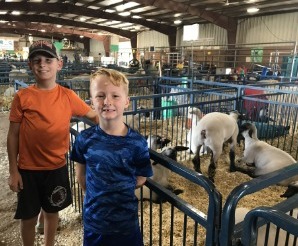
Our Ag team will be out and about over the coming months. We'd love to connect with you! Stop by one of the events below and visit with a First Bank & Trust agri-business banker.

-
📍 Aug 5 - Ag Day at the Sioux Empire Fair
📍 Aug 18–20 - DakotaFest
📍 Aug/Sept - County 4-H Achievement Days
📍 Aug 29 - Ag Tailgate at SDSU
📍 September 2–7 - South Dakota State Fair
📍 September 12 - Beef Bowl at SDSU
Macroeconomics Outlook
The U.S. dollar continues to strengthen, which has placed pressure on global competitiveness. However, some breakthroughs appear to be on the table. Following the U.S.-China trade meeting in May, it was announced that China agreed to purchase $17 billion in additional agricultural products annually through 2028.
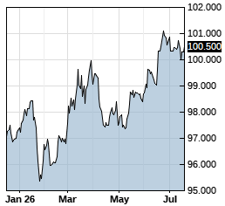 The Middle East conflict has played a significant role, and a resolution will be necessary for the markets to find a solid footing. Energy prices have created spikes in inflationary concerns, which have halted the progress made, delaying any forecasted rate cuts. Agricultural inputs have once again found themselves in the crosshairs of geopolitical tension.
There are some tailwinds, however, that have created some price support, including a resilient consumer that has led to robust demand, advancements in biofuel policy, and stronger domestic consumption levels.
Land Values
Across many local areas, land has been tightly held, which limits the supply, and investors have also shown interest, which has added to the demand for farmland. This begs the question: Is agricultural land a sound investment? On the surface it would appear to be a high capital and low return, without consideration for future appreciation. Cash rental rates have hovered around 2-3% of values, which is pre-tax and below par when examining the current rates of the safest of investments. Where land continues to shine is with its remarkable stability. As investors seek to diversify their portfolios, land can stand out with its historical rates of appreciation. Time will tell if that pace can be sustained. Another value of land that applies particularly to direct operators is its utility as an income-producing asset for the operation.
🌾Did You Know?
Through First Bank & Trust's partnership with Farmer Mac, agricultural producers have access to long-term fixed-rate financing that can provide greater predictability for their operations. By locking in an interest rate on real estate debt, you can reduce interest rate risk and make long-term financial planning a little simpler. Interested in learning more?
Contact your First Bank & Trust ag banker to see if Farmer Mac financing is a fit for your operation.
Grains🌱
Corn acres per the recent WASDE reports are estimated at 95.3 million acres, which is down from 2025. The initial concerns about significant carryout continue to be chipped away by exports, feed usage, and ethanol consumption. There has been traction gained when looking at year-round E-15 but will face the need for legislative approval. Coupling the heightened demand, reduced acres, and a return to trendline yields, this would drop production by over a billion bushels.
Soybean acres show planted acres of 85.4 million acres, which is a significant jump from last year. Strong domestic crush has been lifted by renewable fuel demand as progress continues around biofuel policy. Exports to China and other global partners will be a focal point moving forward as well. Traders currently sit in a sizable net-long position, which has been bullish to support prices.
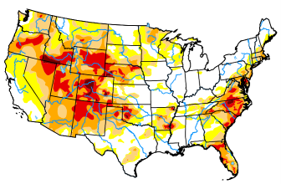 Weather will play a key factor, as corn is expected to return to a trendline yield of 193 bpa, while soybeans are staring at a projected yield of 53 bpa. The drought monitor shows drier conditions creeping to the east, with the western states most impacted currently. Any revisions downward to the overall yields could support higher prices if demand stays strong. Energy continues to be a driver of consumption, and the conflict abroad incentivizes further blending across the refined fuel markets. This will be necessary to offset the increased costs of production. When purchasing inputs, it is important to remember that there is a lag between wholesale and retail rates. This will require producers to maintain strong lines of communication with their providers.
Beef🥩
The already tight supply of cattle remains an issue with multiple headwinds still facing ranchers. These headwinds have created a floor creating higher prices. The first headwind is that 75% of the pasture and rangeland is currently experiencing moderate to severe drought conditions. This makes expansion hopes increasingly difficult. Auctions are reporting higher numbers of lightweight calves being sold and weather-related culling. While beef cow slaughter levels have shown year-over-year declines, this is likely to be a result of limited inventories available.
The second was an example of reporting issues, primarily for the July 2 U.S. Beef Export Sales report, where sales were overstated by more than 500%. A revised report was later posted showing a 90% cut after acknowledging an error. The USDA offices have seen high rates of turnover, funding cuts, and staffing shortages. The USDA issued a statement indicating that it considered the issue to be an isolated anomaly and the integrity of their systems and accurate, timely data will remain a top priority.
The New World Screwworm (NWS) has also made its way to the U.S. by crossing the southern border. This is likely to have an impact on cattle moving north. Concerns around NWS may play a larger role in efforts to import beef and will be an ongoing situation to monitor as producers seek containment and eradication of its potential effects on an already small herd.
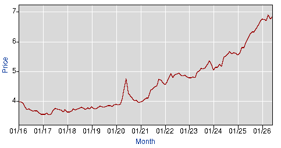 There have been concerns about the strength of the consumer, which continues to be tested. Rising inflation centered around elevated fuel costs has not yet curbed beef demand, as it remains the protein of choice in consumers' diets. Retail beef prices reached $6.825 in July, according to the U.S. Bureau of Labor Statistics, as grilling season is fully underway.
Dairy🥛
Summer brings challenges as school-related milk programs are no longer in season, creating shifts. The summer can also place a greater focus on cheese and ice cream. Export strength will be essential for supporting prices. Whey and high-protein products continue to drive the demand side domestically. Protein products have fallen from their peaks in April. Butter and cheese production is rising due to elevated cow numbers and has found homes through strong exports. Beef demand has also driven beef-on-dairy crossbred cattle prices to elevated levels. These genetics have grown significantly over the past decade and led to heightened profitability.
Pork🥓
Hogs have continued their profitability streak, which spans multiple years. These positive margins have diminished. The farrow-to-finish rates remain above both the five- and ten-year averages. One source of relief has been lower feed costs, with corn prices lower and soybean meal prices mostly stable. Cold storage remains well below recent averages and is in line with levels from last year. PRRS and PEDv remain health concerns, with positivity rates at or slightly above historical levels.
Pork has taken a back seat to its beef counterpart despite the price ratios being significantly more favorable to pork. It has also struggled to compete with chicken from a value perspective. Pork could be the beneficiary should consumer protein budgets tighten.
Financing for Long-Term Growth
Whether you're expanding your farming or ranching operation, purchasing agricultural land, upgrading facilities, or refinancing existing debt, long-term financing can help support your goals. Through our partnership with Farmer Mac, First Bank & Trust offers financing solutions designed specifically for agricultural producers and rural businesses.
As the nation's premier source of capital for agriculture and rural America, Farmer Mac expands the financing options and repayment terms available to producers. Whether you're purchasing farmland, improving facilities, or refinancing debt, these solutions can support growth while strengthening risk management on your balance sheet.
Talk with your local First Bank & Trust ag banker to discuss your options.
Looking Ahead Together
As summer winds down and harvest approaches, we wish you and your family all the best. While volatility remains, our team strives to be a voice of stability. Together we can build plans tailored to your goals. We are proud to partner with you and the next generation to uphold your legacy. Stop in and see one of our friendly bankers, and let’s work together to focus on the things we can control.

Connect with us today!
At First Bank & Trust, our Ag Banking team is made up of local experts who know you and understand your farm operation. Give us a call at 800.843.1552 or connect directly with an ag banker in your area.